Religious tourism in Uzbekistan
Uzbekistan is one of the most important spiritual destinations in Central Asia. Here coexist Islamic pilgrimages (ziyorat), living Christian heritage and ancient Buddhist monasteries in the south of the country. Sacred cities such as Bukhara, Samarkand and Termez form part of historic routes of faith, knowledge and hospitality. Religious tourism in Uzbekistan is not only about visiting temples: it is about entering the spiritual memory of the Silk Road.
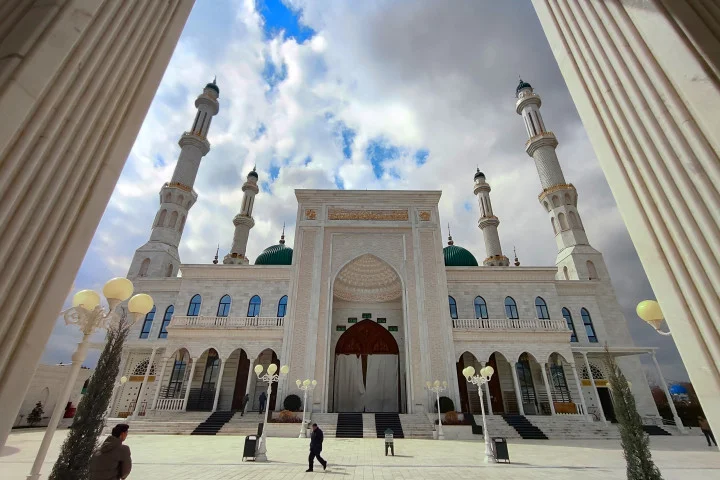
🕌 Islamic pilgrimages (Ziyorat)
Ziyorat is the pilgrimage to mausoleums, madrasas and spiritual centers linked to Sufi masters, Islamic scholars and figures revered in local tradition. It is a very alive practice in Bukhara and Samarkand, two of the most sacred cities in Central Asia.
In the surroundings of Bukhara lies the mausoleum of Bahouddin Naqshbandi, founder of one of the most influential Sufi orders in the Islamic world. It is a place of prayer visited by pilgrims from across the country and abroad.
In Samarkand, the complex dedicated to Imam al-Bukhari, a great collector of hadiths of the Prophet Muhammad, is considered one of the key centers of Sunni Islam. Visiting it is part of many religious tourism in Uzbekistan routes.
Also in Samarkand, the Bibi-Khanym Mosque and the necropolis of Shah-i-Zinda combine monumental Islamic architecture with popular devotion. Shah-i-Zinda, in particular, is known as the “holy street”, a corridor of mausoleums with turquoise tiles considered one of the most beautiful spiritual sites in Asia.
For travelers interested in religious history, ziyorat reveals a living, Sufi, cultured and local Islam, deeply connected to the cultural identity of Uzbekistan. It is an experience that unites faith, art and heritage.
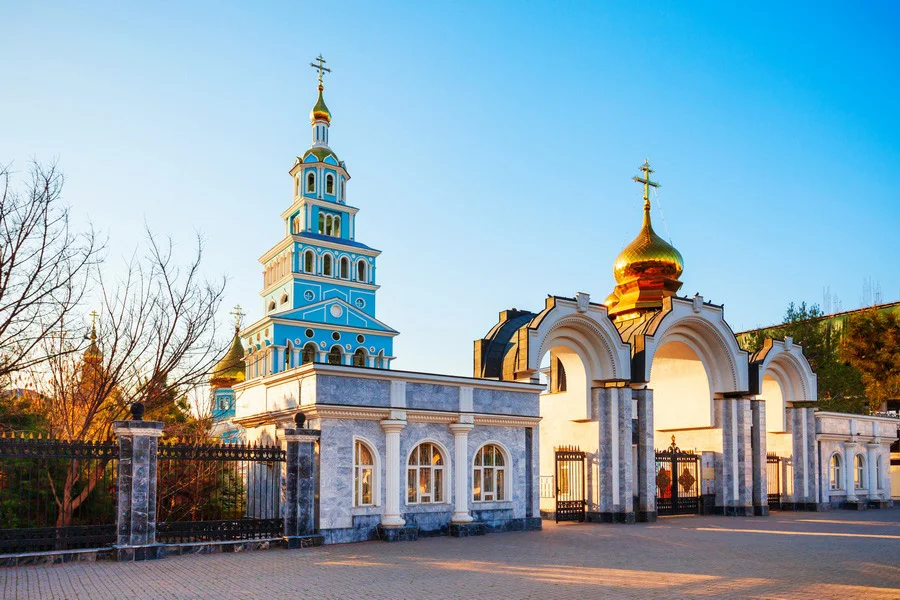
✝️ Christian communities and places of worship
Although Uzbekistan is predominantly Muslim, there are Orthodox and Catholic Christian communities that maintain active religious life, especially in Tashkent.
In the capital, Tashkent, there are churches where liturgies are still celebrated, icons are venerated and communities gather. These parishes are a testimony to religious diversity in Central Asia and to modern history, including the Soviet period and independence.
In Bukhara, places such as the springs associated with the prophet Job (Ayub) are considered miraculous by local tradition and receive visits from both Muslim and Christian believers. This shared devotion is one of the defining features of religious tourism in Uzbekistan.
For spiritual travelers, these stops reveal something very valuable: the historical coexistence of different faiths in a land that has always been a crossroads of the Silk Road.
Visiting active churches in Tashkent or sacred spaces in Bukhara helps to understand not only faith, but also the social and multicultural memory of the country.
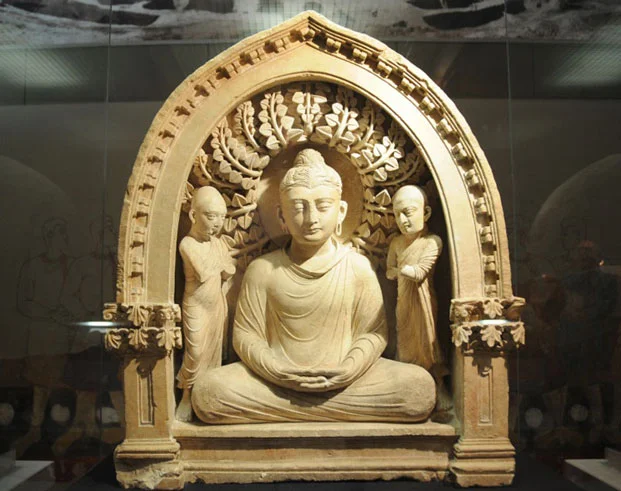
🪷 Buddhist heritage in Termez
The south of the country, especially the region of Termez, preserves an impressive Buddhist heritage. This area was a key point in the expansion of Buddhism from the Indo-Iranian world into Central Asia and beyond.
Archaeological sites such as Fayaztepa and Karatepa show remains of temples, meditation halls, reliefs and murals depicting monks, donors and sacred symbols. Walking through these complexes offers a direct view of monastic life centuries ago.
The discovery of Buddhist sculptures, fresco fragments and statues with Greco-Bactrian influence shows that Uzbekistan was not only a land of medieval Islam: it was also a place where Buddhism, Hellenistic culture and local traditions blended.
For travelers interested in spirituality, history of religions and archaeology, Termez is an essential stop in religious tourism in Uzbekistan. It is one of the few places in the world where you can experience, in a single journey, Sufi Islam, living Christianity and ancient Buddhism.
This mix makes the country a unique destination for spiritual journeys, cultural tourism and historical routes linked to the Silk Road.
💡 Spiritual conclusion
Religious tourism in Uzbekistan is not only for believers: it is also for those who want to understand the deep history of this country.
From the Sufi mausoleums of Bukhara and the monumental madrasas of Samarkand, to the Buddhist remains of Termez and the Christian communities of Tashkent, everything forms part of the same spiritual history.
Traveling along these routes means listening to ancient voices that still resonate: Sufi mystics, scholars, monks, pilgrims. It is seeing how faith shaped Uzbek cities and their way of welcoming visitors.
🙏 Come with respect. You leave with memory.