Literary tourism in Uzbekistan
Explore Uzbekistan through its books, poets and legends. From the classical epics that traveled along the Silk Road to the house-museums of great authors, literary tourism in Uzbekistan allows you to read the history of the country in the very places where it was written. An ideal experience for curious travelers, lovers of culture and those planning travel to Uzbekistan with authentic content, beyond the photos.
📜 Roots of literary heritage
The literary heritage of Uzbekistan does not begin in modern libraries, but in oral tradition: heroic poems, popular legends and stories passed down from generation to generation in caravanserais, bazaars and madrasas of the Silk Road.
Among these works stands out “Alpomysh”, one of the great Turkic epics. It tells of honor, loyalty and tribal courage and is considered a pillar of the cultural identity of Central Asia. Listening to passages of “Alpomysh” in its own homeland is one of the most powerful experiences of literary tourism in Uzbekistan.
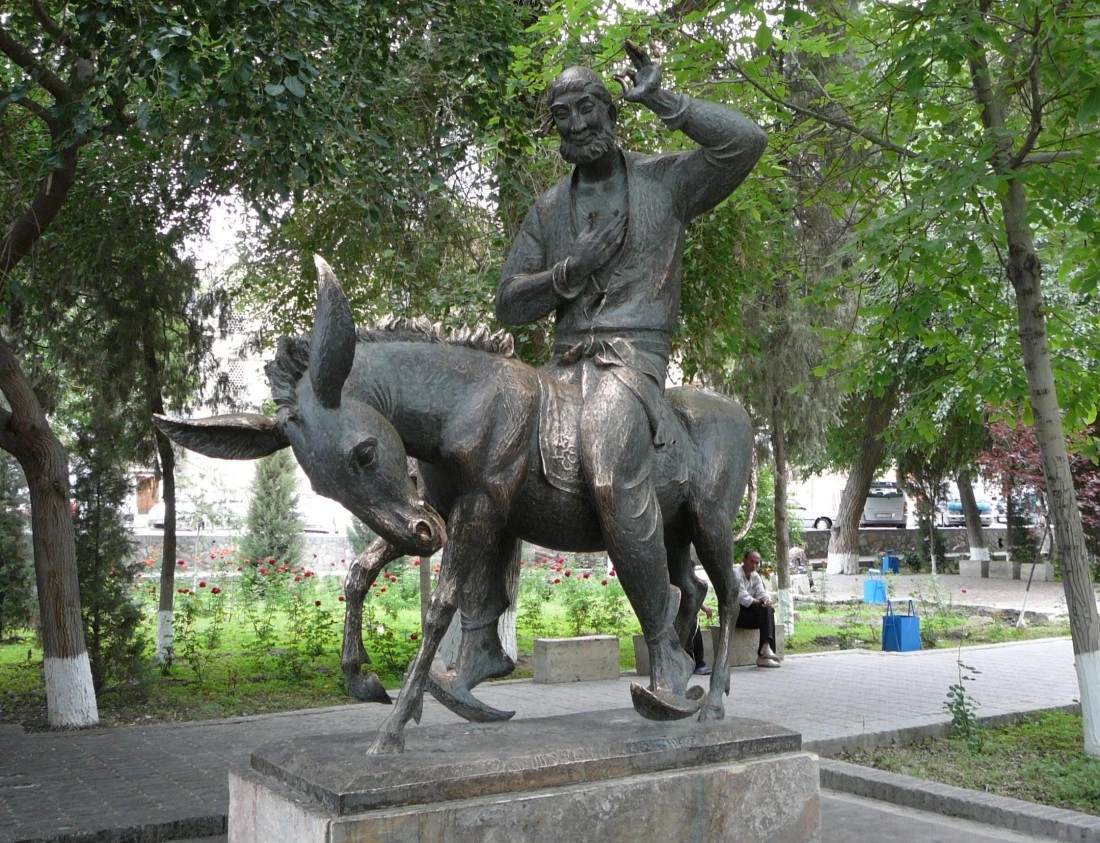
Another essential figure is Nasreddin Hodja (often called “Hodja Nasreddin”), the sly wise man who uses humor to criticize power and teach moral lessons. His stories, very popular in historic cities such as Bukhara and Khiva, form part of the popular imagination and are still alive in everyday speech.
This oral legacy is directly linked to the places that today are visited by those who take trips to Uzbekistan: squares where stories were told, inner courtyards where poets gathered, madrasas where students copied manuscripts by hand.
In cities such as Samarkand and Bukhara, literature was united with Islamic intellectual life: philosophy, law, mystical poetry and astronomy. Here, the written word was political, religious and social power.
Cultural tourism in Uzbekistan today makes it possible to discover ancient manuscripts, historical chronicles and Sufi poems preserved for centuries despite invasions, changes of empire and censorship.
Visiting these spaces is not just “seeing old stones”: it is entering a literary tradition that has shaped Uzbek identity, from epic heroes to comic sages who mocked authority.
That is why the legends of Alpomysh and the anecdotes of Hodja Nasreddin are not folklore of the past: they are still a gateway to understanding how the people of the country think and feel.
For travelers who love books, this mixture of oral history and classical literature turns Uzbekistan into a unique destination within Central Asia.
In short: literary tourism in Uzbekistan begins by listening to ancient stories told in real settings, exactly where they were born.
✒️ Key figures of Uzbek literature
Literary tourism in Uzbekistan is not only about visiting libraries: it is also about following the trace of the people who wrote the intellectual history of the country. Some names are absolutely essential to understand Uzbek cultural identity and that of all Central Asia.
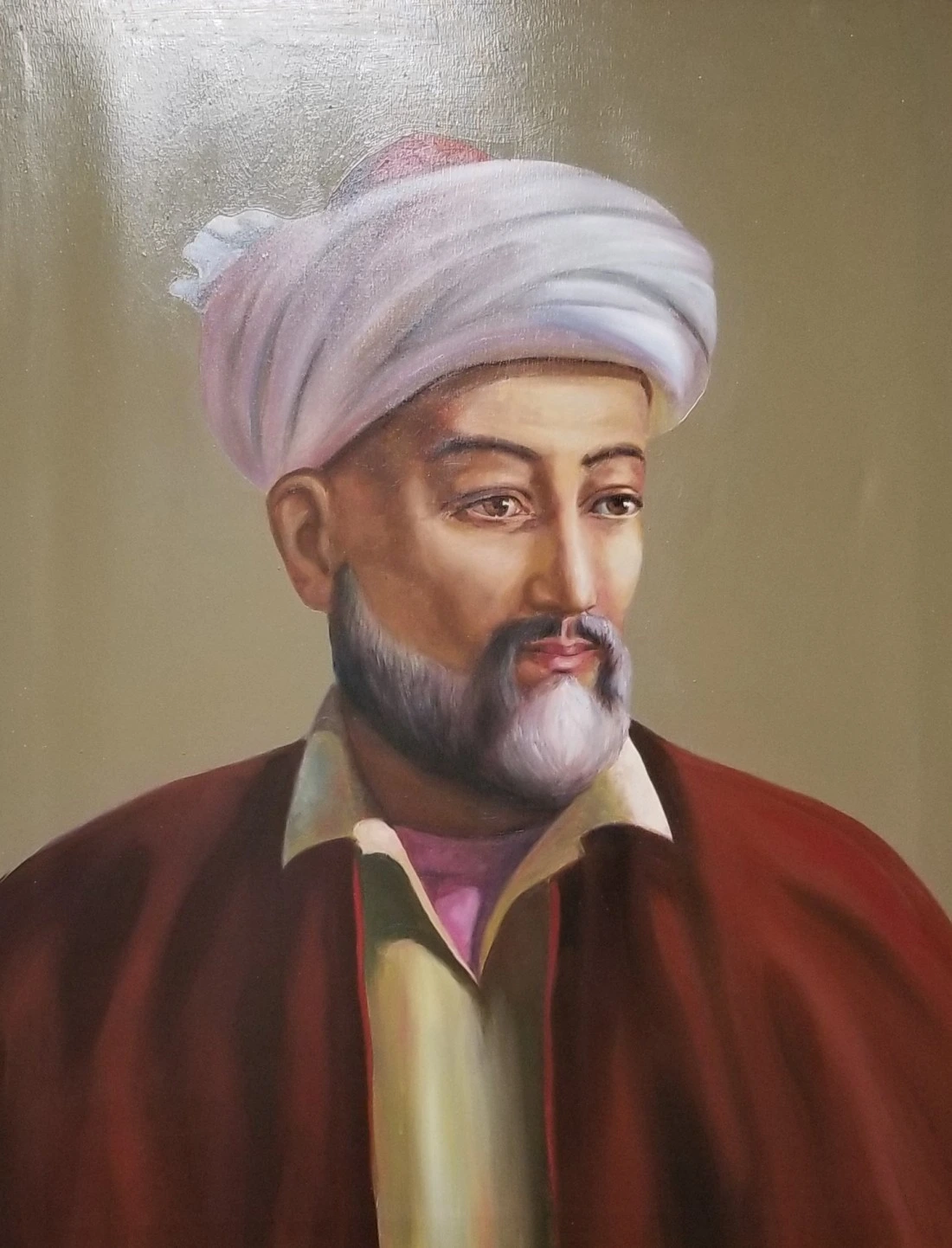
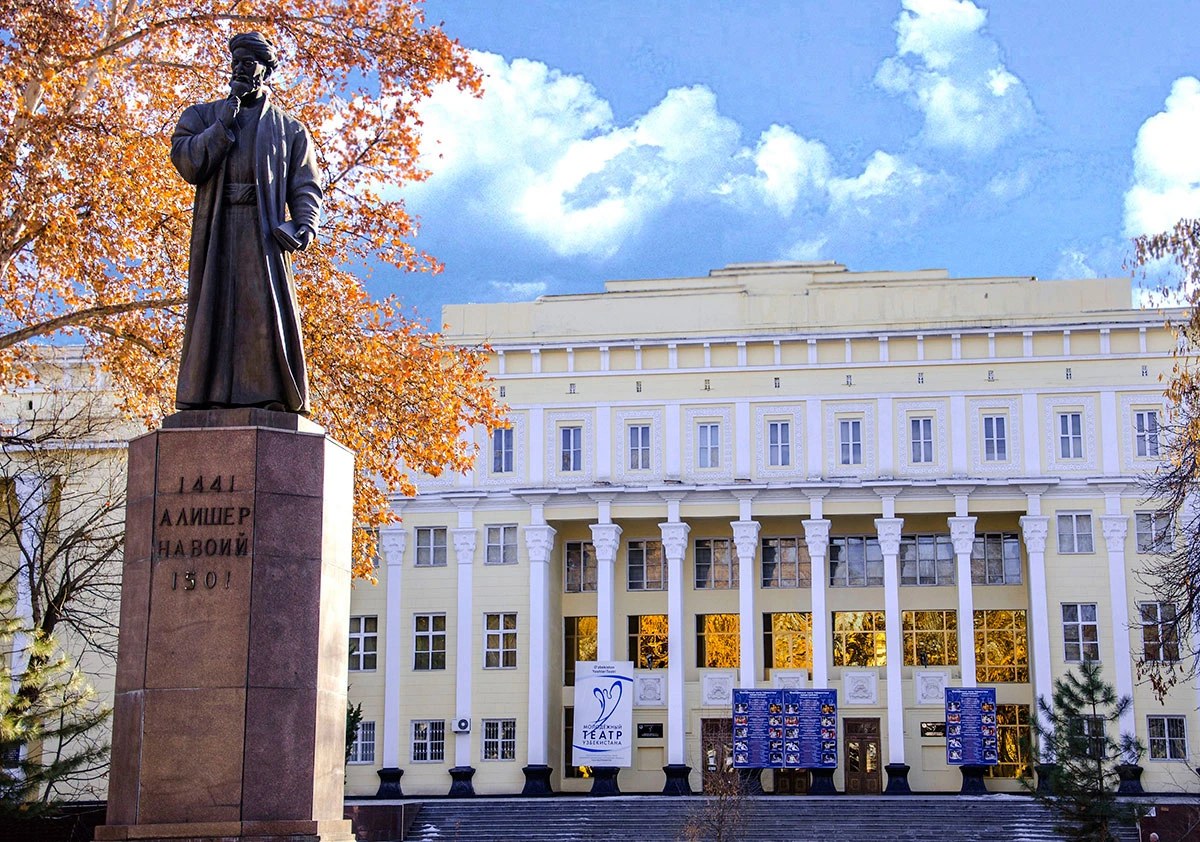
- Alisher Navoi – Considered the father of the Chagatai literary language, the direct predecessor of the modern Uzbek language. He was not only a poet, but also a statesman, patron and thinker. His work defended the value of writing in one’s own language against the dominance of Persian and Arabic. Today, his figure is present in squares, universities and museums in Tashkent, Samarkand and Bukhara.
- Zahiriddin Babur – Poet, conqueror and author of the famous Baburnama, one of the most important autobiographies in the medieval Islamic world. Babur left intimate memories about politics, war, the beauty of gardens and personal emotions. He is a historical figure that connects Uzbekistan with India, Central Asia and the origin of the Mughal Empire.
- Nadira and Uvaisi – Court poets, brilliant female figures of the 18th and 19th centuries. Their verses speak of love, loyalty and destiny, but also of female intellectual dignity in a world dominated by male voices. Including them in a route of cultural tourism in Uzbekistan is essential to understand the female perspective in local literary history.
- Hamid Ismailov – Contemporary novelist, internationally translated. His work deals with memory, exile, post-Soviet identity and the modern tensions of Central Asia. He is a direct bridge between the classical literary tradition and the current reality of the country.
Many travelers who take trips to Uzbekistan discover that literature here is not only about ancient manuscripts: it is also politics, power, identity and cultural resistance.
For lovers of reading, following the traces of Navoi, Babur or Ismailov turns the trip into an exploration of ideas, not just monuments.
📚 Recommended literary routes
The literary routes in Uzbekistan combine museums, historical archives and spaces where literature was truly written, copied or taught. They are ideal for cultural travelers, universities and people looking for something different from the classic Silk Road circuit.
- State Museum of Literature in Tashkent: exhibition of manuscripts, portraits of authors, first editions and historical material on the evolution of the Uzbek language. It is an essential stop in literary tourism in Uzbekistan.
- Alisher Navoi heritage: although part of his legacy is also associated with Herat, in Samarkand and Bukhara you will find madrasas and cultural spaces linked to the intellectual environment where his poetry was studied, recited and copied.
- Historical archives in Bukhara and Samarkand: these cities were centers where scholars worked with religious texts, Sufi philosophy, astronomy and court poetry. Here literature was not entertainment: it was spiritual and political power.
- Libraries with Timurid manuscripts: during the time of Amir Temur and his heirs, Samarkand became a center of science and letters. Exploring these spaces connects cultural tourism in Uzbekistan with the intellectual history of the Islamic world.
These routes make it possible to see illuminated codices, Persian and Chagatai calligraphy, Sufi poetry, court chronicles and documents that rarely leave Central Asia. It is a way of traveling by reading and reading while traveling.
For travelers planning trips to Uzbekistan with a deeper focus than “quick photo and bazaar”, these stops are pure gold: real culture, historical context and direct access to the written memory of the country.
Conclusion: literary tourism in Uzbekistan is not passive tourism. It is a living route where each room, each showcase and each madrasa still tells a story.
📖 Books to understand Uzbekistan
If you are preparing trips to Uzbekistan and want to arrive with cultural, historical and human context, these books are a direct gateway to the country. Some were written by local historical figures; others by travelers and foreign chroniclers fascinated by Central Asia.
-
Baburnama – Zahiriddin Babur.
Memoirs of the founder of the Mughal Empire. Written in the first person, it mixes politics, battles, poetry, gardens, family and nostalgia for the cities of Central Asia. It is an essential foundation of literary tourism in Uzbekistan because it places you in the period when Samarkand and Bukhara were centers of power. -
The Silk Road – Luce Boulnois.
A historical look at the trade network that connected China, Persia and the Mediterranean. It helps explain why Uzbekistan was a key point on the Silk Road and how cities such as Khiva and Samarkand became global cultural hubs. -
A Carpet Ride to Khiva – Christopher Alexander.
A modern chronicle about life in Khiva, traditional carpet work and everyday reality after independence. Very useful for understanding the blend of historical heritage and daily life in present-day Uzbekistan. -
Taxi to Tashkent – Tom Fleming.
A personal journey through Tashkent and other parts of the country, told with humor and Western curiosity. It helps you see the capital not only as a logistical gateway, but as a living city with its own identity. -
Embassy to Tamerlane – Ruy González de Clavijo.
A historical account of the Castilian mission to the court of Amir Temur in the 15th century. It is one of the most direct European testimonies of Timurid greatness in Samarkand, and a gem for lovers of medieval history.
Reading these works before or during your route gives you a huge advantage: you understand what you are seeing. You are not simply walking through a beautiful square; you recognize the voices that were born there and that still define the character of Uzbekistan.
🎬 Cinema to understand the culture
Uzbek cinema is a direct way to get to know the real life of the country: family, identity, Soviet memory, Islamic tradition and social changes after independence. In other words, the human side of cultural tourism in Uzbekistan.
Recommended films and filmmakers:
-
The Savage – Directed by Kamara Kamalova.
A social drama that reflects generational and moral tensions in Uzbek society. It shows that Uzbekistan is not only a glorious past, but also a complex present. -
Abdullajon – By Zulfikar Musakov.
A fantasy comedy and social satire very popular in the country. It uses humor and light science fiction to speak about neighborhoods, family and everyday aspirations. It is pure gold if you want to capture local character. -
Who are you? – Directed by Djahongir Faiziev.
A film about identity and belonging. It reflects the clash between tradition and modernity that you also feel when traveling through Tashkent, Bukhara or Samarkand. -
Muzaffar Erkinov – Director of historical cinema.
Specialized in reconstructing key episodes of the history of Uzbekistan: royal courts, political conflicts, legendary figures and the legacy of Central Asia. His cinema helps imagine how people truly lived in periods such as the Timurid age or the era of the khanates, beyond the ruins and palaces you visit today.
Watching local cinema before the journey means that when you cross the Registan of Samarkand or walk through a bazaar in Bukhara, you already recognize gestures, humor and body language. You feel less like a tourist and more like a guest.
💡 Conclusion
Uzbekistan is not only a destination of blue domes and historical madrasas: it is a voice. A voice written, narrated, recited and filmed.
Literary tourism in Uzbekistan brings you closer to epic heroes such as Alpomysh, court poets such as Alisher Navoi, writer-emperors such as Babur and filmmakers who portray the modern life of the country.
Each manuscript preserved in Samarkand, each historical archive in Bukhara, each museum hall in Tashkent, is a piece of a story that continues to be written today.
That is why reading the country, as well as visiting it, is the deepest way to know it. 📚
Uzbekistan is not read in one day.
But every word that describes it brings you closer to understanding it.