Gastronomic tourism in Uzbekistan
Exploring Uzbekistan means sitting at the table with centuries of history. Here, food is hospitality, identity and local pride. Each region has its signature recipe: the plov of Samarkand, the samsa baked in clay ovens of Bukhara, traditional sweets in the historic bazaars of Khiva and tea shared in every home. Gastronomic tourism in Uzbekistan is not just about tasting dishes: it is about understanding the culture of the Silk Road through its flavors, its markets and its daily customs.
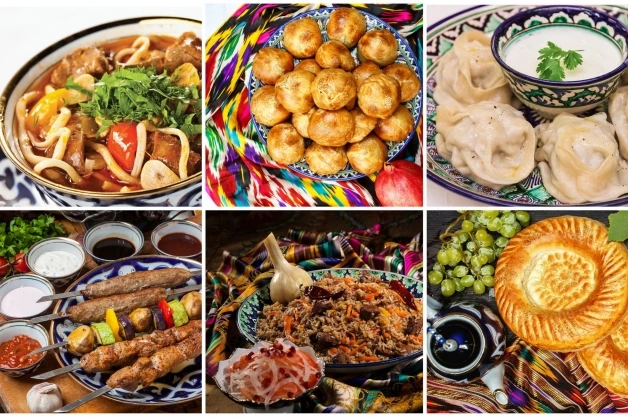
🍽️ Traditional Uzbek cuisine
Uzbek cuisine is one of the most valuable cultural expressions of Central Asia. Through its dishes, one can perceive the Persian, Turkic, nomadic and caravan influences that for centuries traveled along the Silk Road. That is why eating in Uzbekistan is not just a necessity of the journey, but a direct way to understand its history and identity.
The national dish par excellence is plov, also known as osh. It is prepared with rice, carrots, onion, meat and different variations depending on the region. The plov of Samarkand is especially famous, but versions from Tashkent and other cities also stand out. For many travelers, comparing regional styles of plov is an essential part of the gastronomic journey.
Alongside it appear other essential dishes: samsa cooked in a tandoor oven, manti steamed dumplings, lagman with homemade noodles, shashlik grilled skewers and different types of traditional bread. Each recipe has behind it a local context, a way of serving it and a particular relationship with family hospitality.
Oriental sweets, dried fruits, homemade preserves and a wide variety of side dishes also stand out, filling the Uzbek table. In many meals, flavor cannot be understood without the setting: the inner courtyard, the shared table, the host’s welcome and the slow rhythm with which each dish is served.
- Plov: the great symbol of Uzbek cuisine and one of the most representative dishes of Central Asia.
- Samsa: pastries baked in a tandoor, very popular in Bukhara.
- Manti, chuchvara and khonum: stuffed dough steamed or served in broth, with strong regional roots.
- Lagman: noodles, meat and vegetables reflecting the historical cultural mix of the Silk Road.
- Traditional bread: Uzbek non, symbol of hospitality and essential food at every table.
- Sweets and desserts: sumalak, halva, chak-chak and other local specialties.
The visitor seeking gastronomic tourism in Uzbekistan quickly discovers that every meal is also a social ceremony. Sitting at the table means entering the cultural intimacy of the country.
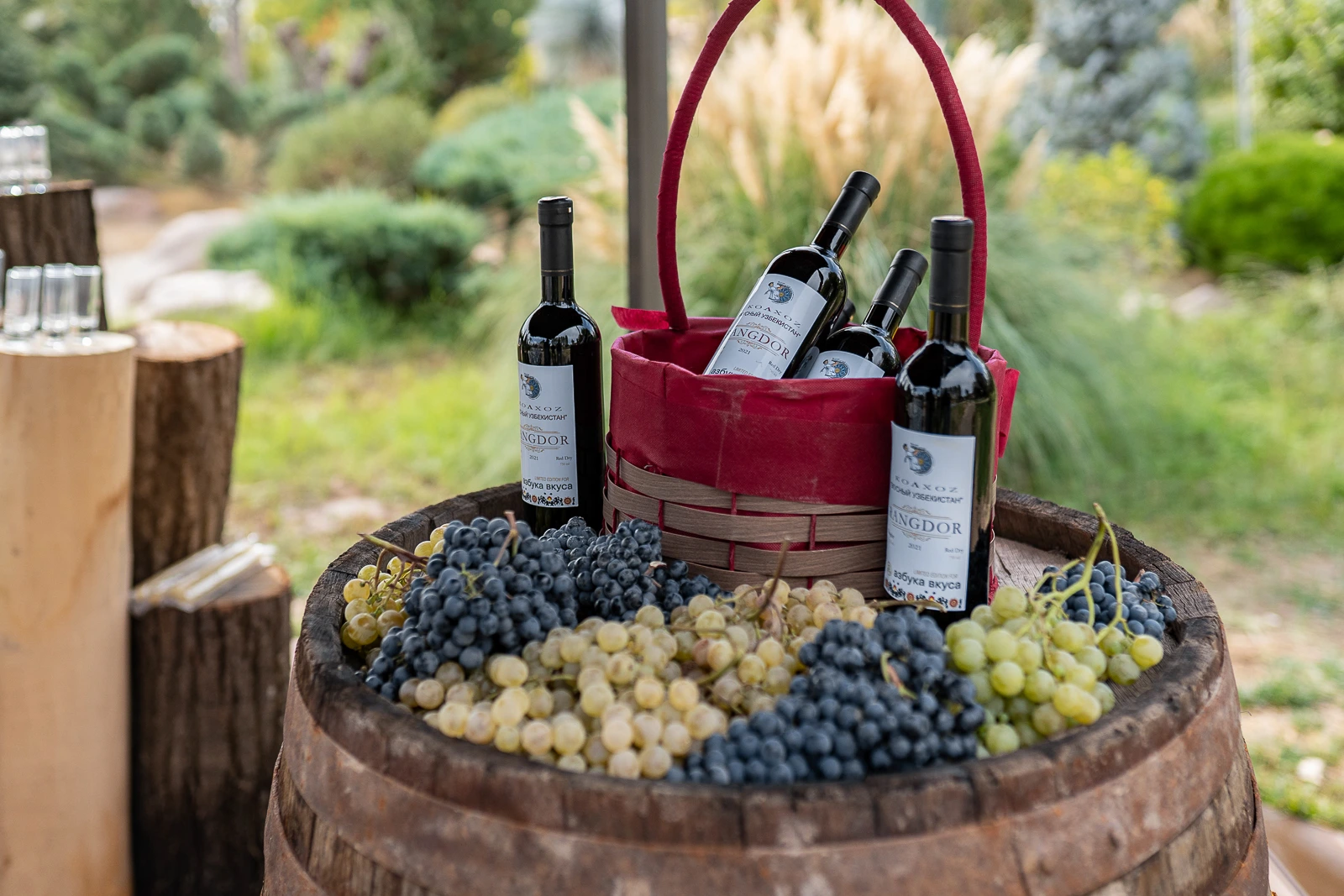
🍷 Wine tourism
Uzbekistan also has a winemaking tradition little known outside the region. In areas such as Samarkand, several historic wineries and local producers offer tasting experiences that greatly enrich the journey.
Local wine is part of an agricultural heritage that has evolved over decades. In many visits, travelers can learn about grape varieties, production processes, winery history and the role this tradition has played in the regional economy and culture.
One of the best-known stops is the Khovrenko winery, closely linked to the winemaking history of Samarkand. However, beyond specific names, what is interesting is discovering that Uzbekistan offers an unexpected wine dimension for those who want to go beyond the classic historical route.
For visitors combining heritage, gastronomy and local experiences, wine tourism in Uzbekistan provides an elegant, different pause that is perfectly integrated into culturally rich cities.
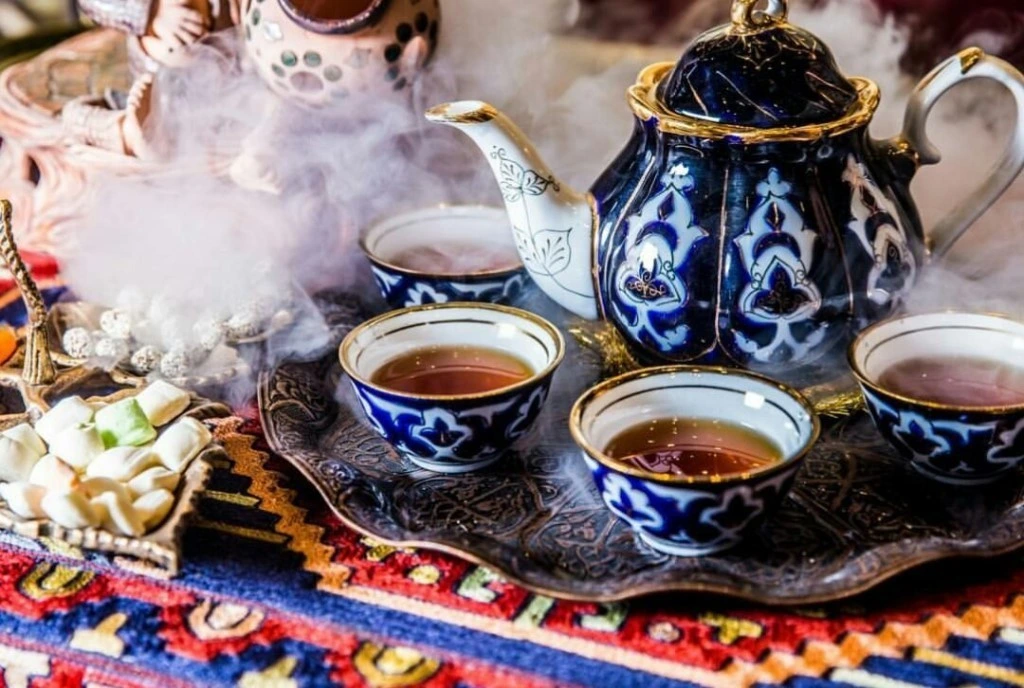
☕ Tea culture and hospitality
In Uzbekistan, tea holds a central place in everyday life. It is not simply a drink, but a sign of welcome, respect and closeness. It is served in small pialas and accompanies conversations, family gatherings, travel breaks and full meals.
Green tea is especially common, although other varieties appear depending on the region and context. In traditional homes of Bukhara, Khiva or rural areas, visitors are usually welcomed with tea, bread, dried fruits and sweets. That gesture says a lot about the local culture.
Traditional tea houses and inner courtyards where this drink is shared are an inseparable part of gastronomic tourism in Uzbekistan. Often, one of the most memorable moments of the trip is not the most complex dish, but a quiet pause in the shade, with a steaming teapot and the feeling of truly being a guest.
This relationship between food, drink and hospitality gives gastronomic travel in Uzbekistan a special depth: you do not only taste flavors, you also understand a way of welcoming others and sharing time.
💡 Conclusion
Gastronomic tourism in Uzbekistan is one of the most direct ways to connect with the essence of the country. Through plov, freshly baked tandoor bread, local wine and shared tea, the traveler discovers a culture that expresses its history at the table as well.
Eating in Samarkand, tasting a samsa in Bukhara, drinking tea in Khiva or walking through the markets of Tashkent turns the journey into a complete sensory and cultural experience.
If you are looking for a Uzbekistan that is tasted, shared and remembered, this gastronomic route is one of the richest and most authentic you can experience.
🍲 Uzbekistan welcomes you with an open table, and every flavor tells a story that is still alive.