Ethnic tourism in Uzbekistan
Ethnic tourism in Uzbekistan allows you to discover the most human and authentic side of the country: mountain villages, yurt camps in the Kyzylkum desert, homemade cuisine, traditional crafts and ways of life that remain alive beyond monumental routes. Although many travelers arrive attracted by the history of the Silk Road and cities such as Samarkand, Bukhara or Khiva, this type of travel invites you to go further: share meals with local families, sleep in rural homes, understand inherited traditions and experience Central Asian hospitality in a much closer way.
🏘️ Traditional villages with soul
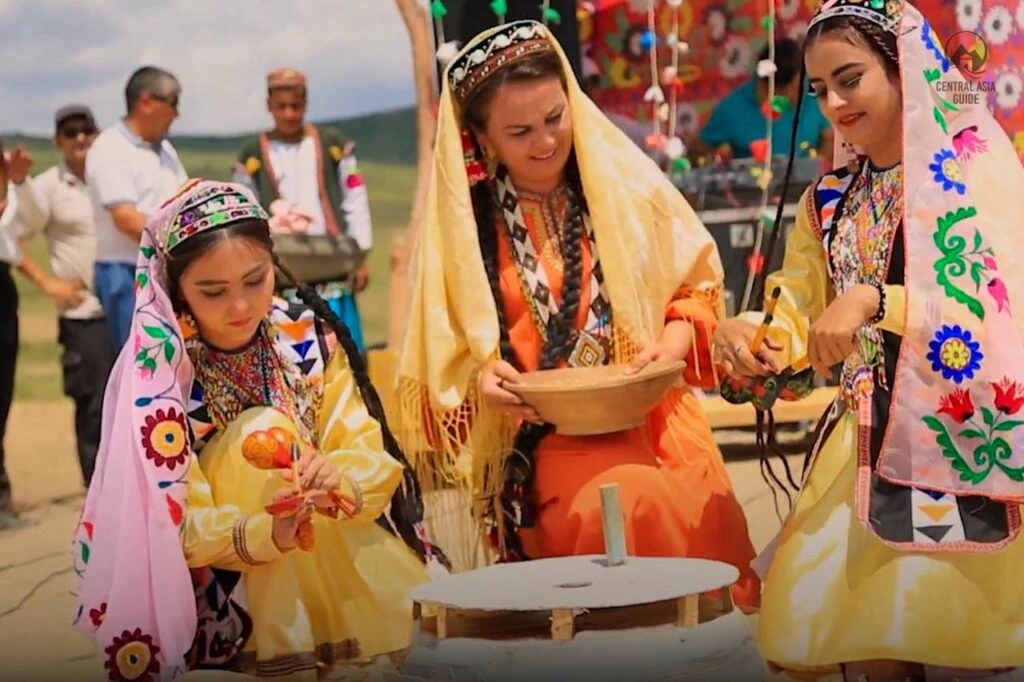
Visiting villages such as Sentob, Hayat or Kumushkan is one of the best ways to discover the most authentic side of Uzbekistan. In these places, daily life is still connected to the land, the climate, the family and customs that have been preserved for generations. These are not staged environments for tourists, but real communities where adobe architecture, inner courtyards and tandoor ovens are part of everyday life.
Travelers looking for ethnic tourism in Uzbekistan find here something increasingly rare in other destinations: authenticity. Local families welcome visitors into small guesthouses, share homemade meals and proudly explain their traditions, celebrations and way of life in mountain or rural environments.
In many of these villages, ancient techniques of weaving, embroidery, baking, gardening and cooking are still preserved. Therefore, the visit is not only scenic or cultural, but also deeply human. Visitors do not observe from the outside: they participate, interact and understand how life is organized in rural Central Asia.
For those who have already explored major historical cities and want a deeper understanding of the country, this immersion in traditional villages adds balance to the journey and turns Uzbekistan into a much more complete experience.
⛺ Nomadic yurt camps
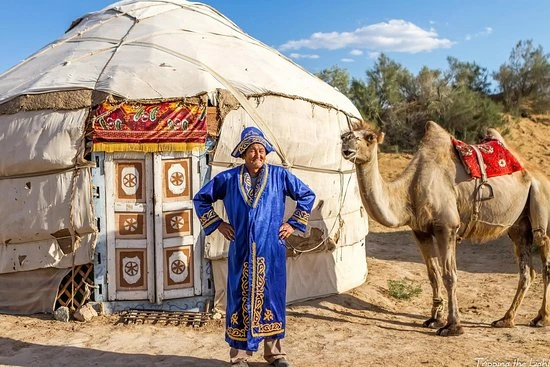
Sleeping in a traditional yurt in the Kyzylkum desert is one of the most memorable experiences for travelers visiting Uzbekistan. More than just accommodation, the yurt represents a historical way of living in the territory and adapting to the open landscapes of Central Asia. Its structure, interior decoration and cozy atmosphere connect directly with the nomadic world.
At sunset, these camps often offer a very special atmosphere: open-air dinners, hot tea, traditional music and the immense silence of the desert. The experience often includes camel rides, gentle walks across the dunes and time to enjoy one of the clearest night skies of the journey.
This part of ethnic tourism in Uzbekistan helps to better understand the historical relationship between humans and the desert landscape. Yurts are not just a decorative element of the Silk Road: they are part of the identity of peoples who for centuries lived in movement, linked to trade, livestock and constant adaptation to the environment.
For those seeking an alternative to conventional hotels, spending a night in the desert is a unique opportunity to experience the country in a more intimate, slower and memorable way.
🚜 Agrotourism and rural life
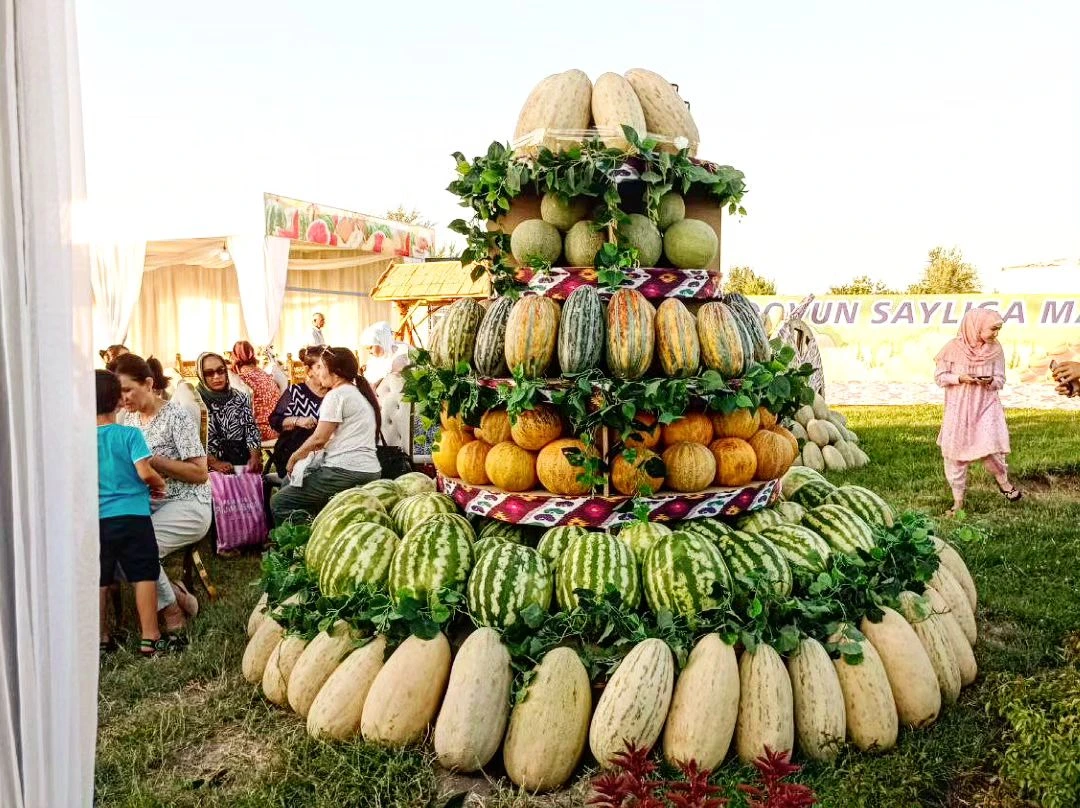
Agrotourism in Uzbekistan is one of the most genuine ways to approach local life. In rural regions near Fergana, Samarkand or Bukhara, many families share with travelers their work rhythm, crops and cuisine.
This experience may include fruit harvesting, visits to orchards, preparation of traditional dishes, baking bread in a tandoor oven and tasting homemade products. Beyond gastronomy, the real value lies in coexistence and understanding how household and family economies function in rural Uzbekistan.
Demonstrations of traditional crafts are also common, from papermaking to textile or artisanal work. This strengthens the value of rural tourism in Uzbekistan as an experience where nature, culture and daily life come together.
For families, couples or small groups, this type of travel offers rest, authenticity and closeness. It is ideal for those who want to travel slowly and connect genuinely with people and territory.
🍷 Artisanal winemaking and local tradition
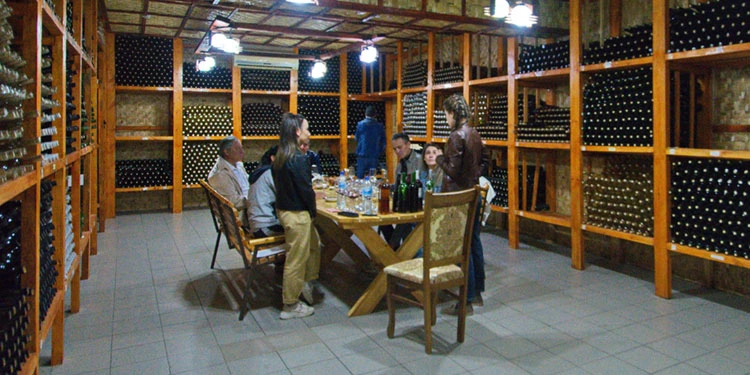
Although unexpected for many travelers, Uzbekistan also has an interesting winemaking tradition with family wineries still working in artisanal ways. In areas around Samarkand, Bukhara and other fertile regions, visitors can discover vineyards, small producers and local ways of making wine and spirits.
These visits go beyond simple tastings. They usually include vineyard tours, explanations of grape varieties, harvesting processes and fermentation methods, all accompanied by historical context that helps understand the importance of wine in certain regions of the country.
For those who enjoy gastronomic tourism and identity-based products, this experience adds another layer to the ethnic journey. Here, wine is not presented as luxury, but as part of a relationship between land, climate, family work and local hospitality.
Including such a visit in an Uzbekistan itinerary allows you to end the day with calm, landscape and flavor, adding a different nuance to the journey.
💠 Conclusion
Ethnic tourism in Uzbekistan is a closer, more human and deeper way of traveling. It is not only about seeing places, but about connecting with ways of life, living traditions and people who still maintain a strong relationship with their environment and cultural heritage.
Sleeping in a yurt, talking with a rural family, tasting homemade cuisine, walking through an adobe village or sharing tea in an inner courtyard transforms the journey into something far beyond photography or classic itineraries.
If you want to experience Uzbekistan from within, with calm and authenticity, this is one of the most valuable and memorable routes you can choose.
🌿 Uzbekistan is not only visited: it is shared, listened to and lived.